
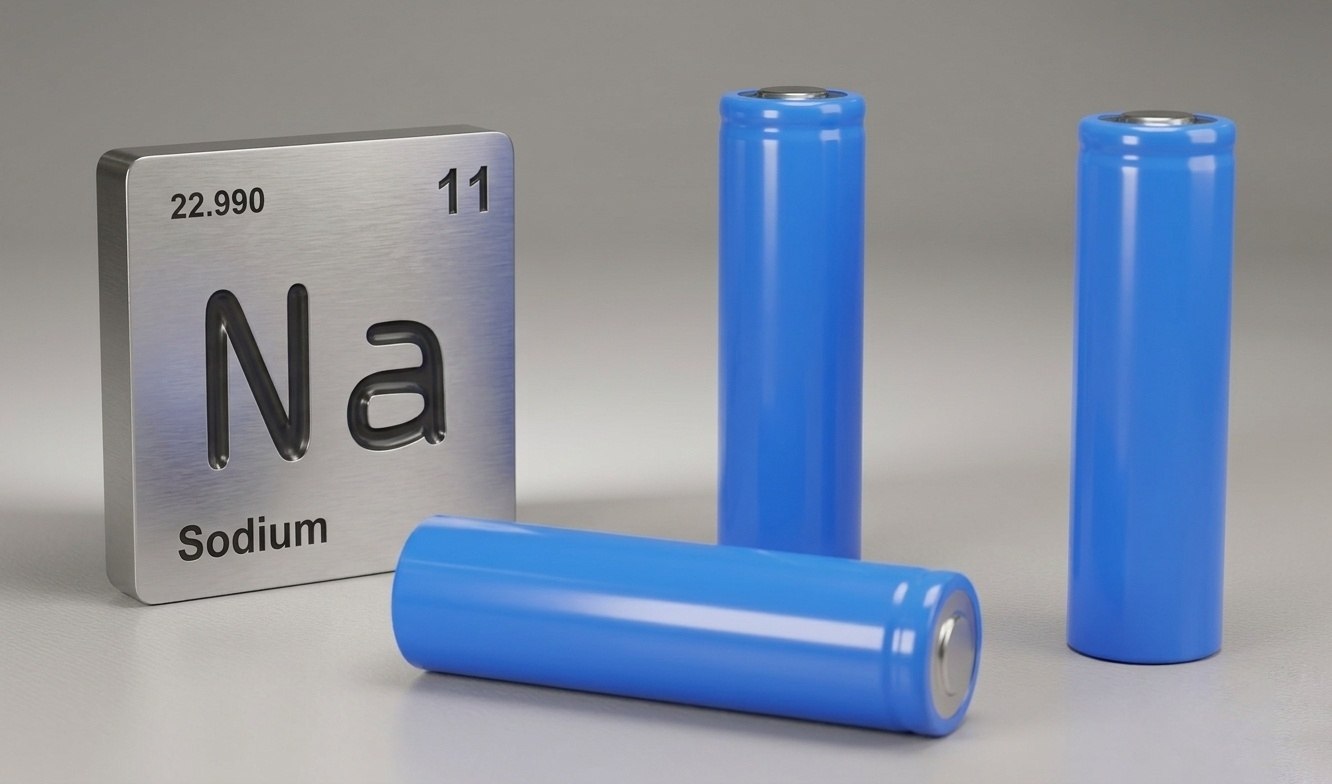
At Pearl Electric Motors (PEM), we build with a long-term vision. The battery is the heart of any electric scooter, and choosing the right chemistry dictates the entire architecture and reliability of the vehicle. Right now, our Monolith platform runs on high-performance LFP (Lithium Iron Phosphate) batteries. They are incredibly tough and support true fast-charging with currents up to 3.5C.
But as engineers, we always look for ways to optimize. Here is an inside look at our R&D process, why we rejected certain “miracle” technologies, and where the future of Micro EV energy is heading.
Why We Dropped Lithium Titanate (LTO)
In the search for the perfect battery tech for an electric scooter, you inevitably look at Lithium Titanate (LTO). On paper, it sounds like a dream: crazy lifespan, massive charge currents, and extreme frost resistance. But when you run the actual vehicle engineering math, LTO falls apart for Micro EVs.
Here is why we moved away from it:
Low Nominal Voltage: LTO cells have very low voltage (~2.4V or less). To build a high-voltage powertrain, you need a massive, complex serial configuration.
The “Brick” Problem: Low energy density means the battery pack becomes incredibly heavy and bulky. It kills the power-to-weight ratio of a two-wheeled vehicle.
Insane Costs: The price per kWh is simply unjustifiable for a commercial product.
Compared to modern LFP or upcoming tech, LTO just doesn’t make sense. It forces you to turn a nimble city commuter into a heavy tank.
The Current Standard: The Strengths and Limits of LFP
LFP gives us a beautiful, flat, and highly predictable discharge curve. It provides the perfect balance of weight, cost, and efficiency for the PEM Monolith today. However, it still has its challenges:
Supply Chain: It relies on volatile lithium supply chains.
Cold Weather Limitations: In freezing temperatures, lithium batteries charge much slower and require active heating. While we have integrated internal heating into our packs, it’s still an extra energy trade-off.
The Next Shift: Sodium-Ion (Na-Ion) Technology
That is why Pearl Electric Motors is actively researching Sodium-Ion (Na-Ion) tech and its integration into our future platforms. It’s not a flawless magic bullet—its voltage drops continuously from 4.0V down to 0V, requiring us to completely re-engineer our software and BMS algorithms.
But the rewards for the Micro EV sector are game-changing:
Zero Cold-Weather Issues: Na-Ion absolutely loves the cold and charges flawlessly in deep freezes without needing heavy pre-heating.
Extreme Lifespan: They boast a colossal cycle life and are completely fearless when it comes to continuous fast charging.
Supply Chain Freedom: Sodium is cheap, abundant everywhere, and cuts out the lithium bottleneck entirely.
Hardware is Hard
We aren’t switching blindly; we are analyzing, testing, and adapting our hardware architecture so that the Monolith platform remains ready for the next global shift in energy chemistry. Engineering is all about making the right compromises. LTO wasn’t one of them, but Na-Ion represents the future.
Building the future of Micro EVs is worth every engineering challenge.

Share this ARTICLE
Latest Articles
PEM Updates: Fine-Tuning Type 2 Fast Charging and Path to Homologation
Safety Through Simplicity: Why the PEM Monolith Chose Direct-Drive Hub Motors
The 10% Trap: Why We Drive 2-Ton Cars in 30 km/h Zones

Kick-Scooter or Electric Moped? The Pragmatic Commuter's Guide
The End of Charging Anxiety: Why the PEM Monolith Uses Type 2 Fast Charging

Beating the Fuel Crisis: The Real Cost of Charging the PEM Monolith Electric Scooter